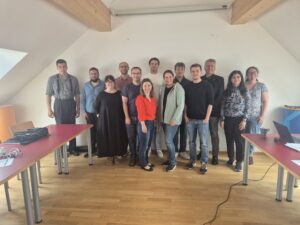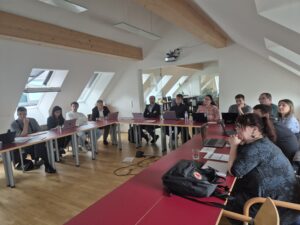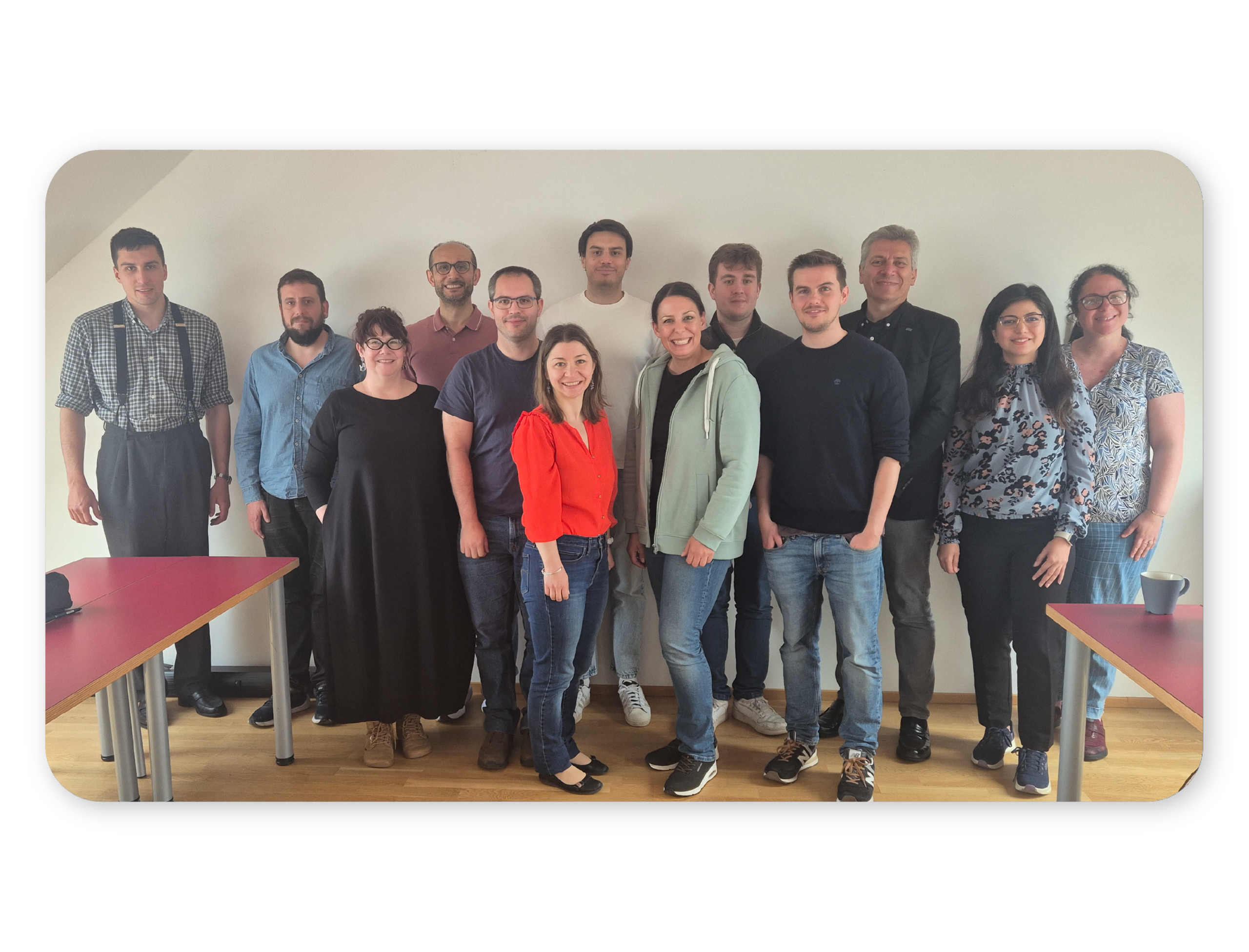
On 18–19 May 2026, the PRIVIDEMA consortium gathered in Villach, Austria, at the premises of the project coordinator TECHNIKON, for a two-day technical progress meeting. The meeting took place at the beginning of Month 19, marking a key transition point in the project lifecycle.
Reviewing Progress and Achievements (M01–M18)
The first part of the meeting focused on the review of activities and achievements from the first 18 months. Several work packages (including WP1, WP3, WP4 and WP6) presented their final results, providing consolidated insights into completed deliverables and key technological advancements.
These sessions also contributed to the preparation of the upcoming project review meeting, ensuring alignment across partners and clarity on achieved objectives.
Launching the Next Phase (M19–M36)
With the project entering its second phase, partners presented the kick-off of new and ongoing work packages, including WP2, WP5, WP7 and WP11.
The discussions covered:
- Upcoming technical developments and deliverables
- Updated timelines and interdependencies
- Alignment with overall project objectives
This transition phase is critical for advancing PRIVIDEMA’s core innovations in privacy-preserving identity management and secure data sharing.
Technical Deep Dives and Collaborative Sessions
The second day featured focused working group sessions addressing key technical challenges:
- Use cases and privacy considerations, ensuring compliance with privacy-by-design principles
- FHE (Fully Homomorphic Encryption) library design, including APIs and optimisation strategies
These sessions enabled in-depth exchanges between partners and fostered alignment on implementation approaches.
Key Outcomes and Next Steps
The meeting concluded with a joint discussion on the outcomes of the working groups and a consolidation of main action items for the coming months.
The Villach meeting demonstrated the strong collaboration within the consortium and reinforced the project’s readiness to move forward into the next phase of development.